Overview
The Monocrystalline 182 10BB Bifacial Solar Cell represents a significant advancement in solar technology, offering high efficiency and durability for renewable energy applications. This solar cell combines several key features to maximize energy generation and provide a reliable source of clean power.
Firstly, the term "monocrystalline" refers to the structure of the solar cell. Monocrystalline solar cells are made from a single crystal structure, typically silicon, which allows for better electron flow and higher conversion efficiency. The use of monocrystalline silicon ensures that the solar cell can convert a greater percentage of sunlight into usable electricity, making it an excellent choice for energy production.
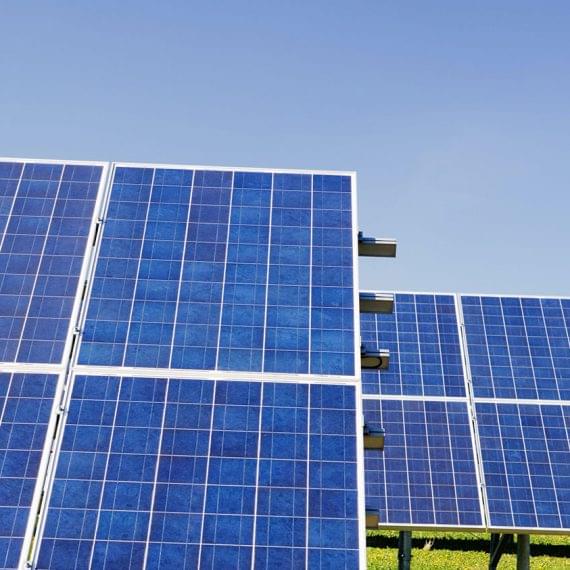
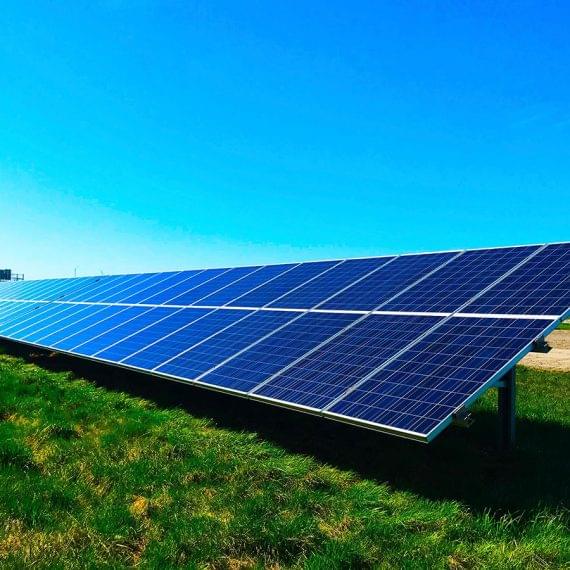
The "182" in the product name refers to the size of the solar cell. In this case, it signifies the dimensions of the solar cell in millimeters. The larger size of the solar cell allows for a greater surface area to capture sunlight, thereby increasing the potential energy output. By utilizing a larger solar cell, more photons can be absorbed and converted into electrical energy, enhancing overall efficiency.
The "10BB" designation denotes the busbar configuration of the solar cell. Busbars are metal conductors that help in collecting and distributing the electrical current generated by the solar cell. The 10BB configuration features ten busbars, strategically positioned to optimize current flow and minimize power losses. This arrangement reduces resistance and improves the overall performance of the solar cell, leading to higher power output.
One notable feature of the Monocrystalline 182 10BB Bifacial Solar Cell is its bifacial capability. Bifacial solar cells have the unique ability to capture sunlight from both the front and back sides of the cell. Traditional solar cells only utilize the front side for energy production, whereas bifacial cells take advantage of the light reflected from the surroundings, such as the ground or nearby structures. This additional light absorption can increase energy generation by up to 30%, depending on the installation conditions. The bifacial design allows for a more efficient use of available sunlight and enhances the overall performance of the solar cell.
Furthermore, the use of a bifacial solar cell is particularly advantageous in certain environments. For example, installations on highly reflective surfaces like white rooftops or snow-covered landscapes can benefit greatly from the bifacial feature. Additionally, ground-mounted solar systems can utilize the reflected light from the ground to further increase energy output. The versatility of the Monocrystalline 182 10BB Bifacial Solar Cell allows for greater flexibility in installation and optimization of solar energy systems.
In conclusion, the Monocrystalline 182 10BB Bifacial Solar Cell is an innovative solar technology that combines high efficiency, durability, and bifacial capability. With its monocrystalline structure, larger size, and optimized busbar configuration, this solar cell offers superior performance and energy generation potential. By harnessing sunlight from both sides and utilizing advanced design features, the Monocrystalline 182 10BB Bifacial Solar Cell represents a significant advancement in renewable energy technology.
Why Us!
Despite these diverse developments, developments in fossil fuel systems almost entirely eliminated any wind turbine systems larger than supermicro size. In the early 1970s, however, anti-nuclear protests in Denmark spurred artisan mechanics to develop microturbines of 22 kW.
Save Your Money
Save money on utilities or increase the value of your home by installing solar
Explore MoreConsult & Planning
Everyday the sun provides us with abundance of free energy by placing solar
Explore MoreYour Home Is Energy
Everyday the sun provides us with abundance of free energy by placing solar
Explore More
Save Money, Save The Environment!
Providing Value To Our ClientsThrough Ongoing Product & Innovation.
Our Solar business now provides the preferred channel to market for some of the world’s leading PV manufacturers and our solar professionals work jointly with partners on enhancing product features, lowering lead times and improving cash flow.